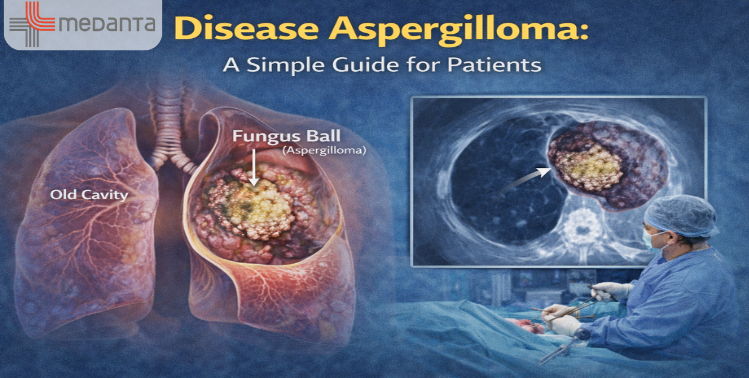
Disease Aspergilloma is a lung condition caused by a fungal infection. It happens when a fungus grows inside an old cavity or empty space in the lung. This disease mostly affects people who already have weak lungs or old lung damage.
Aspergilloma can cause coughing, blood in cough, chest pain and breathing problems. If not treated on time, it can become dangerous. The good news is that aspergilloma can be treated successfully when found early.
This blog explains Disease Aspergilloma in very simple words, including its meaning, causes, symptoms, tests, treatment options, recovery and prevention.
What is Disease Aspergilloma?
Aspergilloma is a condition where a fungus ball forms inside the lung.
It usually develops when:
- A person already has an empty space in the lung
- Fungus enters that space
- The fungus grows and forms a ball
This fungus does not spread fast, but it can damage the lung slowly and cause bleeding.
How Does Aspergilloma Develop?
Aspergilloma often develops in lungs that were already weak or damaged.
Common lung problems that can lead to aspergilloma include:
- Old lung infections: Past lung infections that damaged the lungs and did not heal fully.
- Lung cavities: Empty spaces left inside the lungs after severe infection or disease.
- Long-term lung diseases: Lung problems that last for many years and affect breathing.
- Past tuberculosis: A previous TB infection that weakened or damaged lung tissue.
- Previous lung surgery: An operation done on the lungs that may leave spaces inside the lung.
The fungus finds space to grow and slowly forms a mass inside the lung.
Common Causes of Disease Aspergilloma
Disease Aspergilloma usually occurs due to:
- Old lung cavities – Empty spaces left after lung infections
- Previous tuberculosis – TB damages lung tissue
- Long-term lung disease – Long-term breathing problems
- Weak immune system – Body cannot fight fungus well
- Previous lung surgery – Leaves space inside the lung
- Long-term steroid use – Lowers body defense
Symptoms of Aspergilloma
Some people may not notice symptoms early. Others may have serious signs.
You should see a doctor if you have:
- Long-term cough – Cough that does not go away
- Blood in cough – From small streaks to heavy bleeding
- Chest pain – Pain on one side of the chest
- Breathing problems – Shortness of breath
- Weakness or tiredness – Low energy all the time
- Weight loss – Losing weight without trying
Blood in cough is a serious warning sign and needs immediate medical care.
How is Aspergilloma Diagnosed?
Doctors use simple tests to confirm aspergilloma:
- Chest X-ray – Shows a fungus ball inside the lung
- CT scan – Gives clear and detailed lung images
- Blood tests – Checks signs of fungal infection
- Sputum test – Tests cough mucus for fungus
- Bronchoscopy – Camera test inside breathing tubes
These tests help doctors decide the right treatment.
Treatment of Disease Aspergilloma
Treatment depends on:
- Size of the fungus ball
- Symptoms
- Amount of bleeding
- Overall lung health
- Observation (Watch and Wait)
Used when:
- No symptoms: The person does not feel sick and has no noticeable health problems.
- Small aspergilloma: A small fungal mass in the lung that may not cause any problems.
Doctors monitor regularly with scans and tests.
- Medicines (Antifungal Drugs)
Used when:
- Mild symptoms: Small or light health problems that do not cause much trouble.
- Early-stage disease: The illness is in the beginning phase and not yet serious.
These medicines help control fungal growth but may not remove the fungus ball completely.
- Bronchial Artery Embolization (Bleeding Control)
Used when:
- Patient has bleeding in cough
Doctors block the bleeding blood vessel to stop bleeding.
Surgery is needed when:
- Heavy or repeated bleeding: Large amount of bleeding or bleeding that happens again and again.
- Large fungus ball: A big mass of fungus formed inside the lung cavity.
- The lungs function poorly because they sustain severe lung damage.
The surgery procedure removes affected lung tissue to provide patients with permanent relief from their condition.
Recovery After Aspergilloma Treatment
The recovery period after Aspergilloma treatment depends on three conditions which include treatment type and lung condition and patient health status.
- The treatment type refers to the specific medical procedures which healthcare professionals use to manage the patient’s health condition.
- The lung condition refers to the current state of lung health which people must assess through medical testing.
- The patient’s overall health indicates the general physical capabilities which determine his current health status.
Most patients need:
- After treatment recovery progress doctors need to see patients at scheduled follow-up appointments.
- The medical team requires additional tests to track the lung recovery progress.
- Nutritious meals provide essential nutrients which help the body recover from illness and maintain its strength.
- Breathing exercises: Simple exercises to improve lung strength and breathing.
- People should stay away from cigarettes because it protects their lungs.
Early treatment leads to faster and safer recovery.
Can Disease Aspergilloma Be Prevented?
Aspergilloma can be reduced by:
- Treating lung infections early
- Completing TB treatment fully
- Avoiding smoking
- Managing chronic lung disease properly
- Regular lung checkups for high-risk patients
When Should You See a Doctor?
The following symptoms must prompt you to Visit a doctor with a lung specialist:
- Blood in cough: Blood seen while coughing, which can be a warning sign.
- Long-term cough: A cough that continues for many weeks without stopping.
- Chest pain: Pain or discomfort felt in the chest area.
- Breathing difficulty: Trouble taking a full breath or feeling short of breath.
- History of lung disease: Having lung problems or infections in the past.
Early care can save lungs and lives.
About Dr. Harsh Vardhan Puri
Dr. Harsh Vardhan Puri is a widely recognized thoracic surgeon who has dedicated his career to treating complex lung diseases which include aspergilloma and other fungal lung infections. He provides modern treatment approaches through his expertise in VATS (keyhole surgery) and advanced chest procedures, which result in faster patient recovery times with lower risk of complications. Dr. Puri evaluates each patient’s lung condition through careful assessment while he uses simple language to explain the treatment plan to patients and their families. His calm nature, honest guidance and strong focus on patient safety make him a preferred doctor for aspergilloma and other serious chest conditions.
FAQs – Disease Aspergilloma
- Is aspergilloma a serious disease?
Yes, it can be serious, especially if bleeding occurs.
- Can aspergilloma heal on its own?
No, medical treatment or monitoring is needed.
- Is surgery always required?
No, surgery is needed only in Very serious or bleeding cases.
- Can aspergilloma come back?
Yes, repeated doctor visits is important to prevent recurrence.
- Is aspergilloma contagious?
No, it does not spread from person to person.
Conclusion
Disease Aspergilloma is a treatable fungal lung condition that mainly affects people with weak or damaged lungs. It may start slowly but can become dangerous if ignored, especially when coughing blood begins.
With early diagnosis, proper treatment and regular follow-up, most patients recover well and live a healthy life. If you notice lung symptoms or have a history of lung disease, do not delay medical advice.
Early action protects your lungs and your life.